
Sundiata: An Epic of Old Mali ⸺ Article Plan (as of 12/04/2025 04:25:13)
Exploring the “Sundiata” PDF reveals a crucial access point to this 13th-century oral tradition, now preserved in print for wider study and appreciation.
Digital versions, like those found on the Internet Archive, champion universal access to this foundational Malian narrative, fostering scholarly engagement.
PDF availability allows researchers and enthusiasts to delve into the epic’s complexities, examining its historical roots and legendary embellishments.
Accessibility of the text is vital, ensuring the story of Sundiata Keita, the Lion King, continues to inspire future generations globally.
Independent nonprofits, such as the Internet Archive, play a key role in maintaining and providing free access to this invaluable cultural heritage.
Sundiata Keita, revered as the Lion King, stands as a monumental figure in West African history, celebrated as the founder of the Mali Empire. His story, initially transmitted through generations via oral tradition, is now accessible through various printed and digital formats, including PDF versions.
The Epic of Sundiata is more than a historical account; it’s a captivating blend of fact and legend, detailing his remarkable journey from a physically weak child to a powerful warrior and ultimately, a visionary leader. This epic narrates his triumph over adversity, the overthrow of the tyrannical Sosso Bala, and the establishment of a prosperous empire.
PDF accessibility is paramount, allowing scholars, students, and enthusiasts worldwide to engage with this foundational narrative. Resources like the Internet Archive are instrumental in preserving and disseminating these texts, ensuring the enduring legacy of Sundiata Keita and the Mali Empire. The epic’s enduring power lies in its exploration of themes like destiny, courage, and the forging of a nation.
II. Historical Context: The Ghana Empire & Mandinka Origins
Prior to the rise of the Mali Empire, the Ghana Empire dominated the region, representing a significant power in West Africa. Sundiata Keita emerged from a small, relatively obscure Mandinka tribe situated within the sphere of influence of this earlier empire. Understanding this context is crucial when studying the “Sundiata” PDF and the epic itself.
The Mandinka people, Sundiata’s ancestors, possessed a distinct cultural identity and societal structure. Their origins and early history are interwoven with the broader narrative of the Ghana Empire’s decline and the subsequent power vacuum. Accessing historical analyses within the PDF format provides deeper insight into this complex relationship.
The Internet Archive and similar platforms offer valuable resources for researching this period, allowing for a comprehensive understanding of the political and social landscape that shaped Sundiata’s life and ultimately, his destiny. Examining these sources enhances appreciation for the epic’s historical grounding.
III. Sundiata’s Birth and Early Life – A Prophecy Fulfilled
The epic of Sundiata is deeply rooted in prophecy, foretelling the birth of a hero who would liberate his people. However, Sundiata’s arrival was delayed, adding to the narrative’s dramatic tension. Studying the “Sundiata” PDF reveals the significance of this delayed birth within the broader context of the epic’s themes.
Legend recounts Sundiata Keita as a sickly child, so frail that his enemies spared him during a massacre of his brothers. This initial disadvantage is a central element of his story, highlighting his eventual triumph over adversity. The PDF offers detailed accounts of these early struggles.
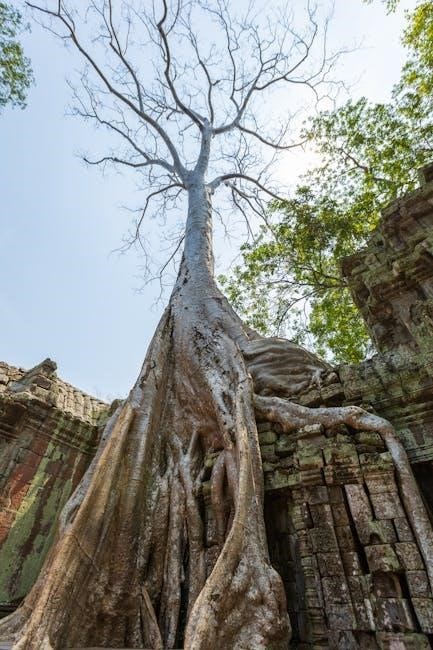
Accessing digital versions, like those on the Internet Archive, allows researchers to analyze how Sundiata’s physical weakness is portrayed and its symbolic importance in fulfilling the ancient prophecy. This contributes to a richer understanding of the epic’s core message.
III.1. The Prophecy and Sundiata’s Delayed Arrival
The “Sundiata” PDF meticulously details the prophecy surrounding his birth, a foretelling of a king who would overcome immense obstacles to establish the Mali Empire. This prophecy wasn’t immediately fulfilled; Sundiata’s arrival was significantly delayed, creating anticipation and doubt amongst his people.

Digital access to the epic, through resources like the Internet Archive, allows scholars to examine the cultural significance of this delayed arrival. It wasn’t merely a plot device, but a symbolic representation of the challenges facing the Mandinka people.
Analyzing the text within the PDF reveals how the prophecy fueled hope during a period of Sosso domination. The delay heightened the sense of expectation, making Sundiata’s eventual emergence all the more impactful and divinely ordained.
III.2. Sundiata’s Physical Weakness and Initial Disadvantage
The “Sundiata” PDF vividly portrays Sundiata Keita’s early life, emphasizing his debilitating physical weakness. He was a sickly child, seemingly incapable of fulfilling the prophecy that foretold his greatness as the Lion King and founder of the Mali Empire.
Accessing the digital text through platforms like the Internet Archive allows for a detailed examination of how this disadvantage shaped his character. His enemies, during a period of violence, even spared him because of his frailty.
The narrative within the PDF highlights the irony: a future emperor initially deemed unfit to survive. This initial weakness served as a catalyst for his eventual triumph, fueling his determination and resilience.
IV. The Reign of Sosso Bala & the Mandinka Struggle
The “Sundiata” PDF meticulously details the oppressive reign of Sosso Bala, a tyrannical ruler who dominated the Mandinka people before Sundiata’s rise. This period represents a dark chapter, characterized by subjugation and fear, vividly depicted within the epic’s narrative.
Digital access to the text, via resources like the Internet Archive, allows readers to understand the depth of the Mandinka’s struggle under Bala’s rule. His cruelty and ambition fueled widespread resentment, creating a desperate need for a liberator.
The PDF’s account emphasizes how Bala’s actions directly motivated Sundiata’s eventual quest for revenge and the establishment of the Mali Empire, transforming a personal vendetta into a national liberation.
V. Sundiata’s Exile and Transformation
The “Sundiata” PDF vividly portrays Sundiata’s forced exile as a pivotal moment, detailing his departure from his homeland and the subsequent journey to gather allies. This period wasn’t merely escape, but a crucial phase of development.
Digital access to the epic reveals how Sundiata, initially physically weak, underwent a remarkable transformation during his time away. He honed his skills, built relationships, and cultivated the leadership qualities necessary to challenge Sosso Bala.
The PDF’s narrative emphasizes that exile wasn’t a setback, but a catalyst. It allowed Sundiata to mature, strategize, and return as a formidable force, ready to liberate the Mandinka people and forge a new empire.
V.1. Forced Exile and Seeking Allies
The “Sundiata” PDF meticulously details the circumstances of Sundiata’s forced exile, stemming from the tyrannical reign of Sosso Bala and threats to his family. This wasn’t a voluntary departure, but a desperate flight for survival.
Digital access to the epic highlights Sundiata’s proactive approach during exile – actively seeking alliances with neighboring tribes and kingdoms. He understood that reclaiming his rightful place required a united front.
The PDF’s narrative emphasizes Sundiata’s diplomatic skills and persuasive abilities, crucial in forging these vital partnerships. He skillfully navigated complex political landscapes, securing support for his eventual return.
This period, as documented in the text, showcases Sundiata’s early leadership, demonstrating his capacity to inspire loyalty and build a coalition against a common enemy.
V.2. Developing Strength and Leadership in Exile
The “Sundiata” PDF vividly portrays Sundiata’s transformation during exile, evolving from a physically weak youth into a formidable warrior and leader. This period was pivotal in his development.
Digital access to the epic reveals how Sundiata honed his military skills, mastering combat techniques and strategic thinking, preparing for the inevitable confrontation with Sosso Bala.
The narrative details his growing confidence and charisma, attracting followers and solidifying his position as a potential liberator for the Mandinka people. He became a symbol of hope.
As documented within the PDF, Sundiata’s exile wasn’t merely a period of waiting, but one of intense preparation and self-improvement, forging the Lion King’s legendary status.
VI. The Rise of Sundiata: Military Campaigns & Battles
The “Sundiata” PDF meticulously chronicles Sundiata’s ascent through a series of decisive military campaigns, showcasing his strategic brilliance and unwavering resolve. His revenge began.
Digital access to the epic allows detailed examination of his tactical maneuvers, highlighting his ability to adapt to diverse terrains and overcome numerically superior forces.
The text emphasizes the growing support for Sundiata, as neighboring tribes rallied to his banner, recognizing his potential to overthrow the oppressive Sosso kingdom.

Key battles, like Kirina, are vividly described, demonstrating Sundiata’s courage and leadership, solidifying his reputation as a powerful and just ruler. Victory was assured.
The PDF portrays these conflicts not merely as clashes of armies, but as a struggle for liberation and the establishment of a new, prosperous empire under Sundiata’s guidance.
VI.1. The Battle of Kirina – A Defining Moment
The “Sundiata” PDF dedicates significant detail to the Battle of Kirina, portraying it as the pivotal clash that secured Sundiata’s claim to power and marked the decline of the Sosso kingdom.
Digital access to the epic allows readers to analyze the strategic importance of Kirina, a location chosen for its defensive advantages and symbolic resonance.
The text vividly depicts Sundiata’s army, a coalition of Mandinka and allied tribes, facing the formidable forces of Sosso Bala, the tyrannical king.
Detailed accounts within the PDF highlight Sundiata’s innovative tactics, including the use of cavalry and coordinated attacks, which overwhelmed the Sosso army.
Kirina’s outcome, a resounding victory for Sundiata, is presented as a defining moment, solidifying his legacy as a heroic liberator and the founder of the Mali Empire.
VI.2. Sundiata’s Military Strategies and Tactics
The “Sundiata” PDF meticulously outlines Sundiata Keita’s evolving military prowess, showcasing his transition from exiled prince to masterful commander. Digital access enables close examination of his strategic brilliance.
The epic details Sundiata’s emphasis on forging alliances, uniting disparate Mandinka clans and securing support from neighboring tribes – a key tactical advantage.
PDF analysis reveals his innovative use of cavalry, a relatively new military element in the region, providing speed and shock value on the battlefield.
The text emphasizes Sundiata’s understanding of terrain and logistics, ensuring his army was well-supplied and positioned for optimal engagement.
His leadership, as portrayed in the epic, inspired unwavering loyalty, transforming a fragmented force into a cohesive and formidable fighting unit, ultimately securing victory.
VII. Founding the Mali Empire
The “Sundiata” PDF vividly chronicles the pivotal moment when Sundiata Keita transitioned from warrior-king to empire builder, solidifying his legacy. Digital access allows detailed study of this transformative period.

The epic details Sundiata’s strategic consolidation of conquered territories, establishing a centralized authority that superseded the fragmented Mandinka clans.
PDF analysis reveals his focus on establishing Niani as the empire’s capital, a symbolic and practical center for governance and trade.

The text highlights Sundiata’s implementation of a new political structure, blending traditional Mandinka customs with innovative administrative practices.
His vision, as portrayed in the epic, extended beyond military conquest, encompassing economic development and social harmony, laying the foundation for a prosperous Mali Empire.
VIII. Sundiata’s Governance & Political Structure
The “Sundiata” PDF offers invaluable insight into the sophisticated governance established by Sundiata Keita, moving beyond mere conquest to lasting administration. Digital access facilitates detailed examination of his policies.
The epic portrays Sundiata’s creation of a centralized government, dividing the empire into provinces governed by appointed officials, ensuring efficient control.
PDF analysis reveals his emphasis on a legal framework incorporating both traditional Mandinka law and new decrees, promoting justice and order.
The text underscores the crucial role of griots, not merely as storytellers, but as keepers of history, law, and counsel to the king, ensuring continuity.
Sundiata’s structure, as depicted, fostered economic growth through regulated trade and agricultural development, solidifying Mali’s power and prosperity.
VIII.1. Establishing a Centralized Government
The “Sundiata” PDF meticulously details Sundiata Keita’s pivotal shift from tribal leadership to establishing a robust, centralized government for the burgeoning Mali Empire. Digital access allows focused study of this transformation.
The epic illustrates Sundiata’s strategic division of the empire into provinces, each administered by carefully selected officials loyal to his rule, ensuring effective control.
PDF analysis reveals a deliberate move away from decentralized power structures, consolidating authority under the mansa (king) and his appointed governors.
The text highlights the implementation of standardized administrative practices, including taxation and resource allocation, fostering economic stability.
Sundiata’s centralized system, as documented, provided a foundation for Mali’s subsequent expansion and enduring influence in West Africa.
VIII.2. The Role of Griots in Maintaining History & Law
The “Sundiata” PDF profoundly illustrates the indispensable role of griots – oral historians, genealogists, and advisors – in Sundiata Keita’s Mali Empire. Digital access enables detailed examination of this cultural cornerstone.
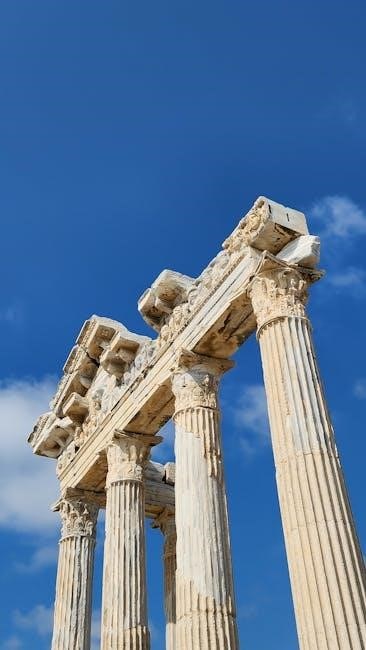
The epic emphasizes that griots weren’t merely storytellers; they were the keepers of law, tradition, and lineage, ensuring societal cohesion and continuity.
PDF analysis reveals how Sundiata strategically integrated griots into his governance, utilizing their knowledge to resolve disputes and legitimize his rule.
The text highlights the griots’ responsibility for preserving the epic of Sundiata itself, transmitting it across generations through oral performance.
This tradition, as documented, ensured the enduring legacy of Sundiata Keita and the foundational principles of the Mali Empire.
IX. Sundiata’s Legacy: Economic & Social Reforms
The “Sundiata” PDF offers insights into the transformative economic and social reforms enacted under Sundiata Keita’s rule, solidifying the Mali Empire’s foundation.
Analysis of the text reveals a shift towards agricultural development, fostering food security and population growth within the newly established empire.
Sundiata implemented a structured governance system, promoting trade and establishing clear land ownership laws, as detailed within the epic’s narrative.
The PDF showcases how Sundiata’s policies encouraged social mobility, integrating diverse communities and fostering a sense of shared identity.
These reforms, preserved in the epic, demonstrate Sundiata’s vision for a prosperous and equitable society, leaving an enduring legacy.
X. The Epic of Sundiata: Oral Tradition & its Significance
The “Sundiata” PDF represents a pivotal moment in preserving a centuries-old oral tradition, transforming a spoken epic into a tangible historical document.
This transition highlights the epic’s significance as a repository of Mandinka history, values, and cultural identity, now accessible to a wider audience.
The PDF’s existence allows for detailed analysis of the narrative structure, poetic language, and thematic elements inherent in the oral tradition.
Scholars utilize the text to understand the role of griots – storytellers – in maintaining and transmitting this crucial cultural heritage.
Ultimately, the epic’s preservation in PDF format ensures Sundiata Keita’s story continues to resonate, shaping Malian identity and inspiring future generations.
XI. Key Characters in the Epic Beyond Sundiata
Analyzing the “Sundiata” PDF reveals the crucial roles played by characters beyond the Lion King, enriching the epic’s narrative complexity.
Sassouma Bereté, often portrayed as the antagonist, embodies ambition and jealousy, driving conflict and shaping Sundiata’s journey.
Basi Kouyaté, the griot and storyteller, serves as the epic’s narrator, preserving and transmitting Sundiata’s legacy through generations.
The PDF allows for a deeper understanding of these characters’ motivations, relationships, and symbolic significance within the epic.
Their interactions with Sundiata illuminate themes of power, fate, and the importance of oral tradition in shaping historical narratives.
XI.1. Sassouma Bereté – The Antagonist
Examining the “Sundiata” PDF reveals Sassouma Bereté as a complex antagonist, driven by ambition and a desire for her son to inherit power.
Her jealousy towards Sundiata stems from a prophecy foretelling his greatness, threatening her family’s position and future prospects.
The PDF’s text details her schemes and manipulations, including attempts to harm the young Sundiata and undermine his rise to leadership.
Sassouma Bereté’s character embodies the darker aspects of human nature, highlighting the destructive consequences of unchecked ambition.
Analyzing her role provides a nuanced understanding of the epic’s conflicts and the challenges Sundiata faced in establishing his empire.
XI.2. Basi Kouyaté – The Griot & Storyteller
The “Sundiata” PDF emphasizes Basi Kouyaté’s pivotal role as the epic’s narrator and a hereditary griot, preserving oral traditions.
As a griot, Basi Kouyaté is responsible for maintaining history, genealogy, and law through storytelling and musical performance.
The PDF’s textual analysis reveals his skillful use of language, imagery, and dramatic techniques to captivate audiences.
Basi Kouyaté’s narration isn’t merely recounting events; it’s a dynamic re-creation of the past, imbued with cultural significance.
His presence within the epic underscores the importance of oral tradition in West African societies and the power of storytelling.
XII. Themes Explored in the Epic
The “Sundiata” PDF illuminates recurring themes of destiny, leadership, and the triumph over adversity central to the narrative.
A prominent theme is the fulfillment of prophecy, showcased through Sundiata’s delayed birth and eventual rise to power.
The epic explores the complexities of power, examining both the responsibilities and corrupting influences of kingship.
Another key theme is the importance of community and alliance-building, vital for Sundiata’s success against Sosso Bala.
The PDF reveals how the epic also addresses themes of exile, transformation, and the forging of identity through struggle.
XIII. The “Sundiata” PDF & Accessibility of the Text
The availability of the “Sundiata” PDF is paramount for democratizing access to this foundational West African epic, previously confined to oral tradition.
Digital formats, like PDFs, overcome geographical barriers, allowing scholars and enthusiasts worldwide to engage with the text.
Platforms like the Internet Archive champion this accessibility, fighting for universal access to quality information without charge.
PDF versions facilitate detailed study, enabling close reading, annotation, and comparative analysis of different translations.
This accessibility ensures the enduring legacy of Sundiata Keita, the Lion King, and his story continues to inspire and educate globally.
XIV. Comparing Different Versions & Translations of the Epic
Analyzing various “Sundiata” PDF translations reveals fascinating nuances in interpretation and storytelling, stemming from differing scholarly approaches.
Each translation offers a unique lens through which to view Sundiata Keita’s life, his battles, and the founding of the Mali Empire.
Comparing these versions highlights the challenges of rendering an oral epic into a written format, preserving its poetic essence.
PDF accessibility allows for side-by-side comparisons, identifying variations in character portrayal, thematic emphasis, and narrative structure.
Scholarly debate often centers on the most accurate and faithful representation of the original Mandinka oral tradition within these PDFs.
XV. The Internet Archive & Preservation of the Sundiata Epic
The Internet Archive stands as a vital repository for the “Sundiata” PDF and numerous versions of this foundational Malian epic, ensuring its longevity.
As an independent nonprofit, the Archive champions universal access to quality information, building and maintaining systems without charging for access.
Digitizing and preserving the epic in PDF format safeguards it against loss or degradation, making it available to a global audience.
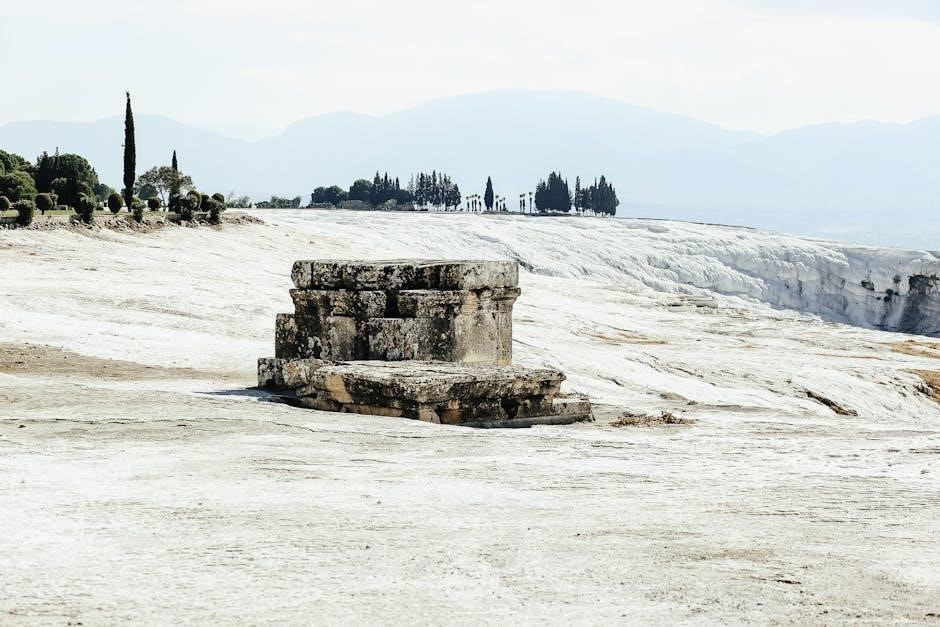
Researchers and enthusiasts benefit immensely from the Archive’s commitment, enabling in-depth study of Sundiata Keita’s legacy.
Supporting the Internet Archive is crucial for continuing this important work of cultural preservation, ensuring the epic’s enduring impact.
XVI. Sundiata Keita in Modern Malian Culture
Sundiata Keita’s legacy profoundly shapes modern Malian identity, celebrated through oral traditions and increasingly, accessible PDF versions of the epic.
The “Sundiata” PDF facilitates wider engagement with the founding narrative, fostering national pride and a connection to ancestral roots.
His story serves as a powerful symbol of leadership, resilience, and the establishment of a centralized government, inspiring contemporary Malians.
Griots continue to play a vital role in preserving and transmitting the epic, alongside the growing availability of written texts like the PDF.
Modern Malians view Sundiata as a cultural hero, embodying the nation’s historical strength and enduring spirit, readily shared through digital access.
XVIII. Conclusion: Sundiata’s Enduring Impact
Sundiata Keita’s story, preserved through centuries of oral tradition and now accessible via the “Sundiata” PDF, continues to resonate globally.
The epic’s themes of overcoming adversity, establishing just governance, and forging a unified empire remain remarkably relevant today.
The PDF format democratizes access to this foundational Malian narrative, fostering scholarly analysis and cultural appreciation worldwide.
His legacy extends beyond historical accounts, inspiring leadership and national identity within modern Mali and beyond its borders.

Ultimately, Sundiata’s enduring impact lies in his embodiment of strength, vision, and the power of storytelling, now amplified by digital preservation.